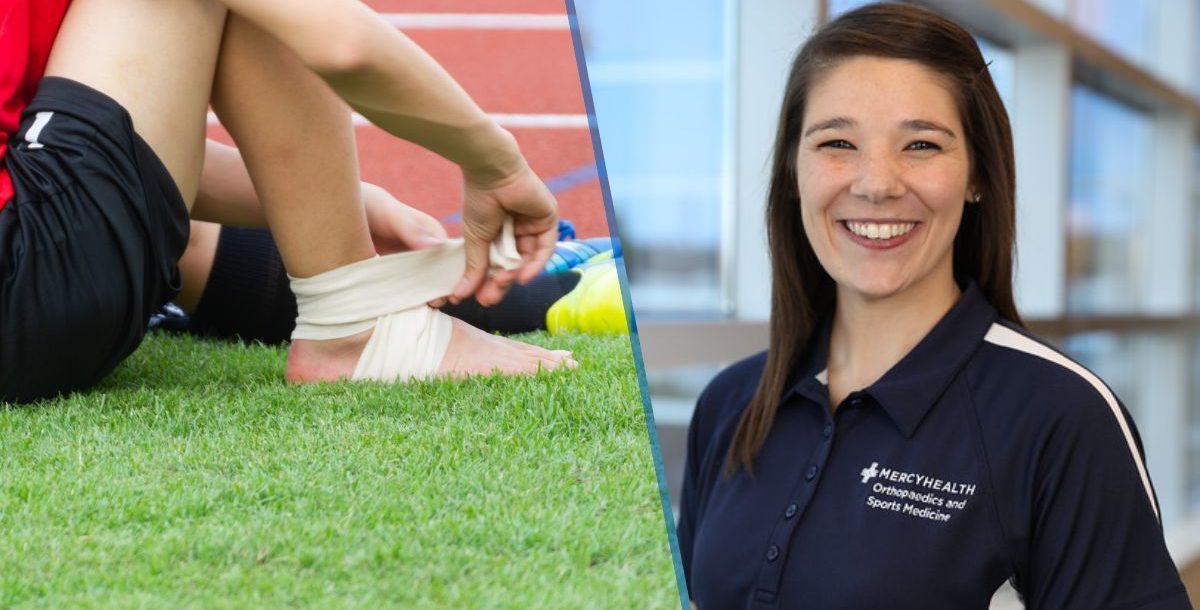
Youth sports help kids stay active, build confidence and learn valuable life skills. Having a well-stocked sports first-aid kit at every practice and game can help you respond quickly when scrapes, sprains or other minor injuries occur.
While a first-aid kit isn’t a substitute for professional medical care, it can help protect an injury and provide comfort until a health care provider can evaluate it if needed.
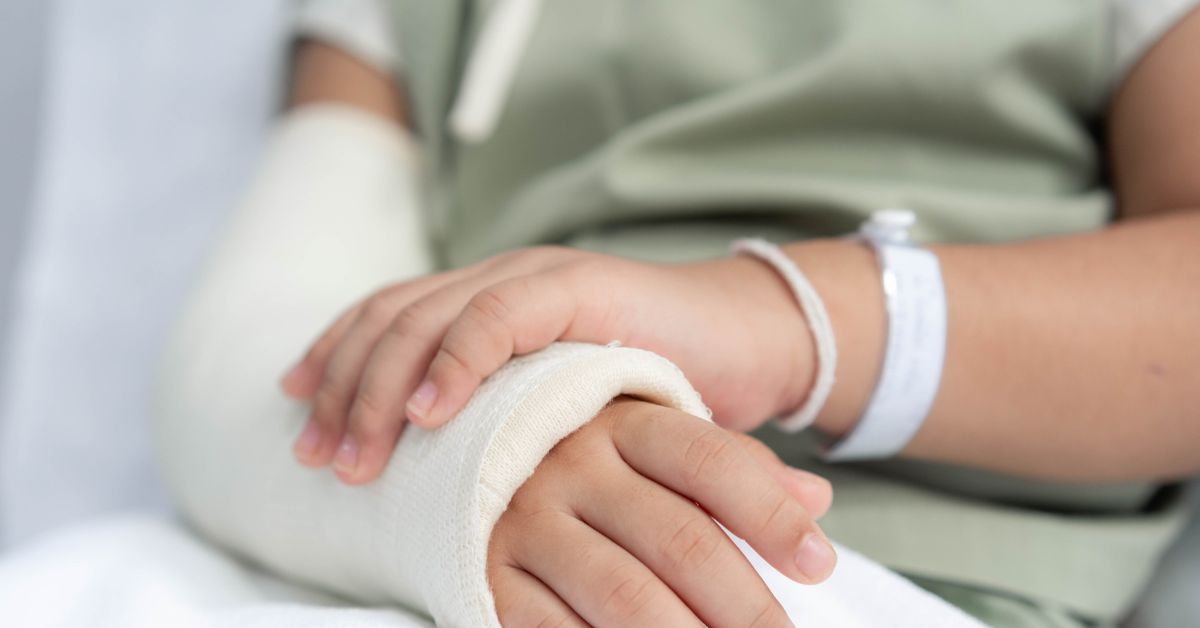
If your child experiences a sports injury that requires professional care off the field or outside the athletic trainer’s room, don’t wait. Make an appointment with a sports medicine specialist to get your athlete back in play as quickly as possible.
What should a sports first-aid kit include?
Having a sports first-aid kit readily available allows parents and coaches to respond quickly when minor injuries occur when an athletic trainer is not present. It should contain supplies that treat common minor sports injuries until additional medical care is available
Essential items every sports first-aid kit should have:
- Athletic tape: One of the most versatile items in a sports first aid kit. It can help stabilize minor injuries, secure bandages and provide temporary support during practices or games.
- Pre-wrap: Protects the skin before athletic tape is applied. It can help prevent irritation and make tape removal easier.
- Disposable gloves: Help protect both the injured athlete and the caregiver from exposure to blood and bodily fluids. Consider including both latex-free and nitrile options to accommodate sensitivities or allergies.
- Sterile gauze pads: Essential for cleaning wounds, controlling bleeding and helping reduce the risk of infection.
- Adhesive bandages: A variety of sizes can cover wounds and keep them clean while kids finish the day or head home for additional care.
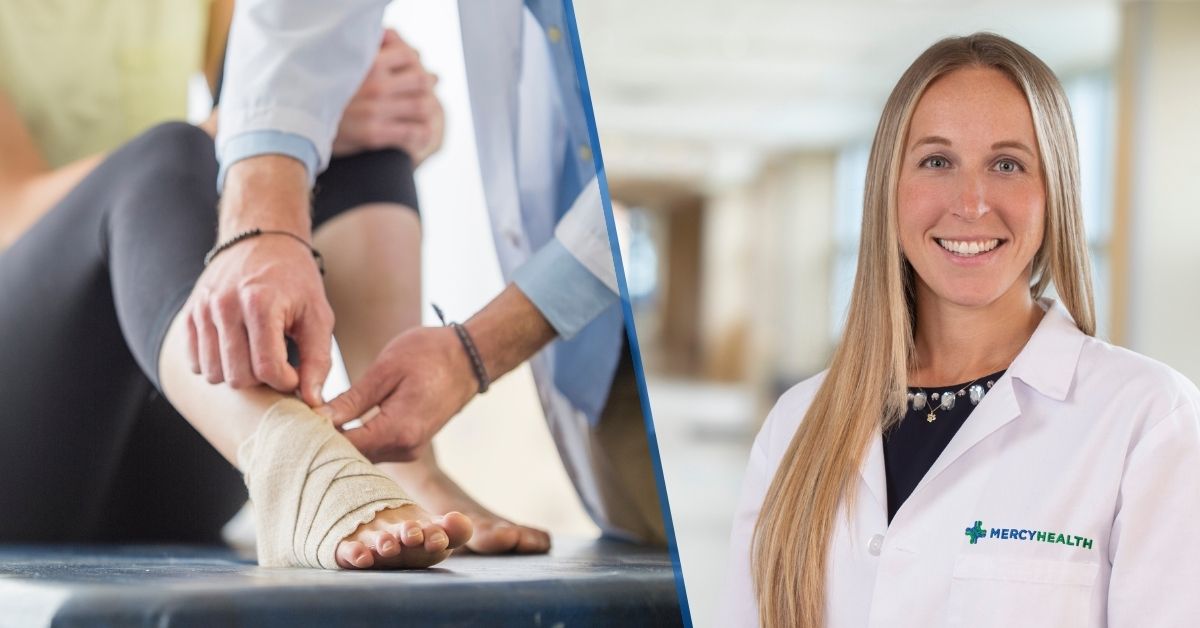
- Compression bandage: Also known by the brand name of ACE bandage, these long, stretchy fabric bandages reduce swelling using gentle pressure, stabilizes injured muscles or joints and holds ice packs, splints or dressings in place.
- Antiseptic wipes: Clean dirt and debris from cuts and scrapes before applying a bandage.
- Antibiotic ointment: Applying a thin layer after cleaning a minor wound may help reduce infection risk and support healing.
- Instant cold packs: Instant cold packs are especially useful when ice isn’t available at a field or gym. They can help reduce pain and swelling immediately after minor sprains, strains and bumps.
- CPR barrier mask: While emergencies are uncommon, every sports first-aid kit should include a CPR mask or breathing barrier device to protect both the rescuer and athlete if CPR becomes necessary.
- Scissors: Athletic scissors can be used to cut tape, trim gauze or remove clothing around an injury when necessary.
- Emergency contact information: Every team should have easy access to emergency contact numbers for parents or guardians, along with information about allergies, medical conditions and medications when appropriate.
- Pen and notepad: Documenting an injury, symptoms and treatment provided can be helpful, especially if the athlete needs follow-up care.
Accidents are common in sports. Jessica Black, ATC, is an athletic trainer with Mercy Health Orthopedics and Sports Medicine in our Cincinnati market. She is also the athletic trainer for Mercy McAuley High School. Jessica equips each coach with a sports first-aid kit to ensure they have the necessary supplies available should an athlete require it during practice or competition.
“Before each sports season starts, I provide a medical kit for all teams with these basic items and more, depending on the sport,” she says. “I make sure to hand it to the coach personally and review items with them at that time. That way they know exactly what is provided and it gives them the opportunity to ask questions and review some first aid tips.”
While your sports first-aid kit may be fully stocked at the start of the season, don’t forget to take inventory as it progresses. Replace expired products and restock items that have been used.
How to treat minor sports injuries before seeing a doctor
Minor cuts and scrapes are among the most common injuries in youth sports. However, some are more serious and require additional treatment. For many mild strains, sprains and soft tissue injuries, sports medicine providers often recommend using the RICE method as an initial treatment approach.
Before beginning treatment, move the athlete to a safe area and stop activity to prevent additional injury.
- Rest: Encourage the athlete to stop playing and avoid activities that could worsen the injury. Rest gives injured tissues time to recover and can help prevent further damage.
- Ice: Apply ice or a cold pack to the injured area for about 10 to 20 minutes at a time. Place a thin cloth between the ice and the skin to help prevent irritation. Cold therapy may help reduce pain and swelling during the first 24 to 48 hours after an injury.
- Compression: Use an elastic compression bandage to provide gentle pressure around the injured area to help control swelling. The wrap should feel snug but not tight. If the athlete experiences numbness, tingling or increasing pain, loosen the bandage immediately.
- Elevation: Elevate the injured area above heart level whenever possible. Elevation can help reduce swelling and discomfort.
“All coaches are trained and certified in first aid prior to the season,” Jessica explains. “They can step in and help out when an athletic trainer is not present, as we cannot be everywhere at once.”
When should a child see a doctor for a sports injury?
Some sports injuries require treatment outside an athletic trainer’s care. Even though some may initially seem minor, they can worsen into more serious conditions that require specialized medical care from a sports medicine specialist.
Make an appointment with a sports medicine provider if your child experiences:
- Significant swelling
- Severe pain
- Inability to bear weight on a leg or foot
- Persistent pain lasting more than a few days
- Limited movement or joint instability
- Symptoms that continue despite rest and home treatment
Some conditions may require a visit to an urgent care or emergency department before an appointment with an orthopedic specialist. Some can become serious enough to require calling 911. Serious injuries – which include suspected fractures, spinal injuries, head injuries involving loss of consciousness or severe bleeding – should always involve calling EMS.
How we can help
Every sport carries the risk of injury. Having a sports first-aid kit available is necessary to treat minor wounds when they occur.
If your child is dealing with a more serious injury, such as a sprain, strain, overuse injury or another sports-related condition, make an appointment with a sports medicine provider for personalized treatment and guidance on safely returning to play.
Learn about the orthopedics and sports medicine services we offer at Mercy Health.