If your child is planning to play a school-organized sport this year, scheduling a sports physical should be at the top of your to-do list. Sports physicals help ensure your student-athlete is healthy enough to participate safely and may be able to identify potential health concerns before they become problems.
Schools often require students to get a sports physical before they begin practicing for their first athletic season of each academic year. To schedule one, make an appointment with your child’s primary care provider, or call an urgent care near you to find out if they offer them at their location.
What are sports physicals?
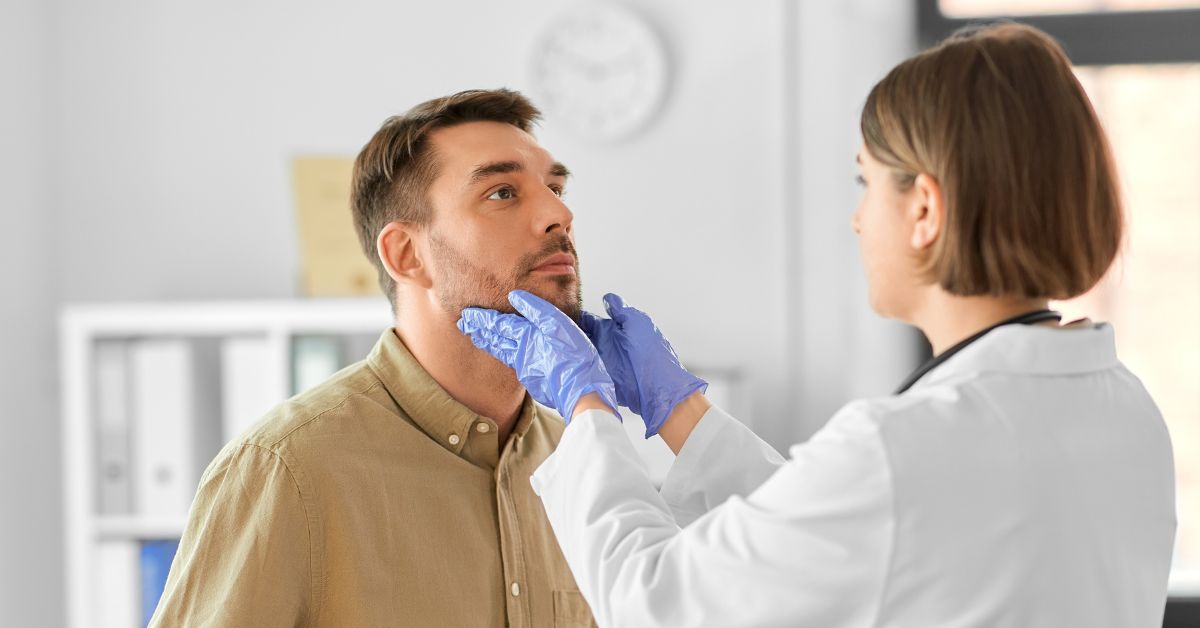
A sports physical, also called a pre-participation physical examination (PPE), is a medical exam designed to determine whether a student can safely participate in sports and other athletic activities.
Parents complete a form that asks a series of questions, including the athlete’s medical history. During the appointment, a provider reviews the form and performs a physical exam to identify conditions that could increase the risk of injury or illness during sports.
Many schools and athletic associations require student athletes to have a current sports physical each year before participation in practice or games. Some recreational leagues, club sports, camps and other organized athletic activities may also require PPE exams. Requirements vary, so check with the individual’s school, the school district, sports organization or league that manages your athlete’s team.
Sports physical vs. annual physical: What’s the difference?
Parents often question the difference between a sports physical and an annual wellness exam, and whether a sports physical can replace a child’s annual checkup. The answer is no.
A sports physical focuses primarily on exercise, competition and athletic participation and serves the purpose of determining whether a child can safely participate in athletics. An annual wellness visit provides a more comprehensive review of overall health, growth, development, preventive care and immunizations.
Ideally, children should receive both.
Why are sports physicals important?
Sports physicals are important because they can help rule out previously unrecognized medical conditions. These medical conditions might include heart, lung, neurological or musculoskeletal problems that have not yet been identified.
Sports place unique demands on a growing body. Even children who seem healthy may have medical conditions that should be evaluated before they begin training or competing.
A sports physical can help identify:
- Heart conditions or symptoms that need further evaluation by a specialist
- Asthma or other breathing concerns
- Previous injuries that may increase the risk of reinjury
- Joint, muscle or flexibility issues
- Vision concerns
- Medical conditions that require special management during athletic activities, such as diabetes, exertional heat illness and more
The goal is not to keep children from playing sports. Instead, providers use sports physicals to ensure young athletes can participate safely and perform at their best.
Each year, hundreds of athletes end up in emergency departments due to reactions to or complications of potentially life-threatening conditions. That’s why many states, including Ohio and Kentucky, require sports physical exams before children can participate in any physical activity at school or a community organization.
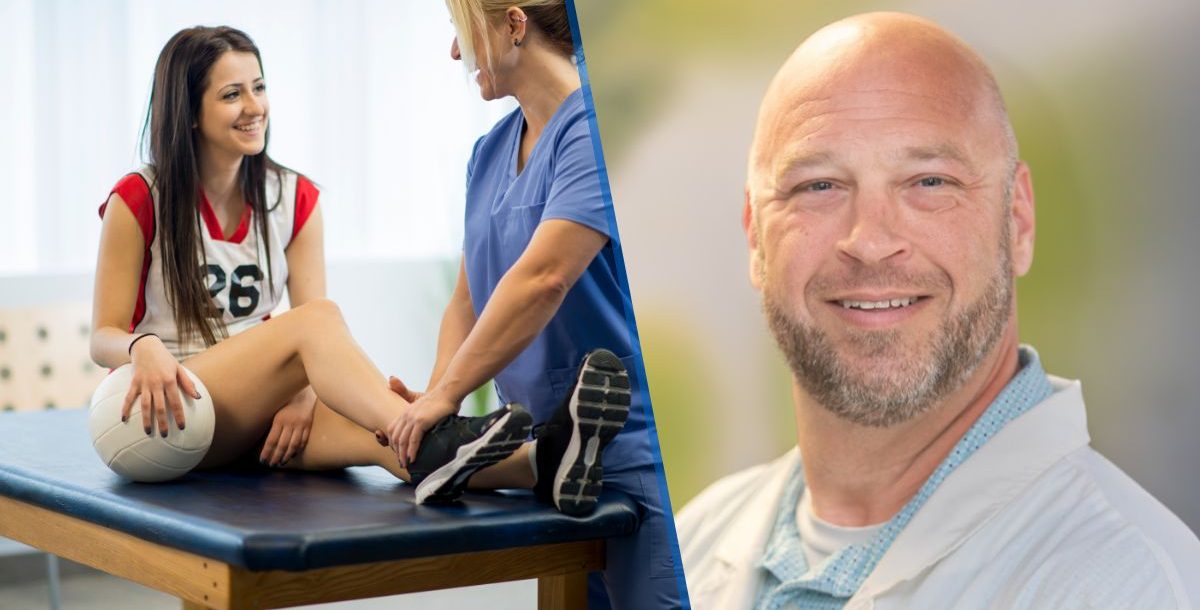
“Additionally, many counties may permit the use of a current sports physical in lieu of having a pre-employment physical for a teenager’s first job,” says Derrick Marple, APRN-CNP, a nurse practitioner in our Springfield market. “In Clark County, parents can save upwards of $50 by using the sports physical form for proof of physical ability and appropriateness.”
What happens during a sports physical?
Sports physicals are typically straightforward and can often be completed during a routine office visit.
Medical history review
You may be asked to help your child answer questions about:
- Past injuries or broken bones
- Previous surgeries
- Chronic medical conditions
- Allergies
- Medications, vitamins and dietary supplements
- Concussions
- Family medical history of heart disease or sudden cardiac death
Being honest and thorough is important. Information about your athlete’s health history helps providers identify any concerns that may need additional evaluation.
If a concern is found during the exam, additional testing or specialist evaluation may be recommended. In many cases, children can still participate in sports once any concerns have been appropriately assessed and managed.
Physical examination
Your provider may perform:
- Height and weight measurements
- Blood pressure screening, pulse, respiration and oxygen saturation
- Vision testing
- Examination of the heart and lungs
- Evaluation of the ears, nose and throat
- Assessment of posture, joints, strength and flexibility
Some schools and athletic programs may also recommend additional cardiac screening for student-athletes.
If your child has an identified medical condition or has recently had an injury, their provider may limit some activities for a short period or provide tips to help prevent re-injury or harm.
“One of the largest benefits of a comprehensive physical exam is that the provider can coordinate with your school’s athletic trainer and suggest pre-wrapping of certain joints or helping to monitor with post-injury recovery,” Derrick says.
When to schedule a sports physical
Many parents wait until just before tryouts or the first practice. Unfortunately, that’s often when providers’ schedules are busiest.
Summer is one of the most popular times for sports physical appointments because school sports programs often require updated forms before fall sports begin. It’s best to schedule a sports physical several weeks before the season begins. This provides time to:
- Complete required paperwork
- Address any health concerns that may arise
- Obtain additional testing, if needed
- Avoid last-minute stress on parents and athletes
While many students get a sports physical at their pediatrician or family medicine practice, many urgent care centers offer walk-in sports physicals. They may even provide them at a discounted rate at certain times of the year. Call ahead to find out if your nearest urgent care center offers this service.
How to prepare for a sports physical
To help the visit go smoothly:
- Bring any required school or athletic forms.
- Complete the medical history sections
- Know your child’s medications and supplements.
- Be prepared to discuss previous injuries and illnesses.
- Bring glasses or contact lenses if your child wears them.
- Make a list of any questions or concerns.
The more information your child’s provider has, the better they can support their health and safety.
How we can help
Sports physical exams are an important step in helping to avoid preventable injuries or health issues while your child is playing a sport. Make an appointment with your child’s primary care provider to schedule their physical well in advance of their season’s start.
Learn more about the primary care services we provide at Mercy Health.