

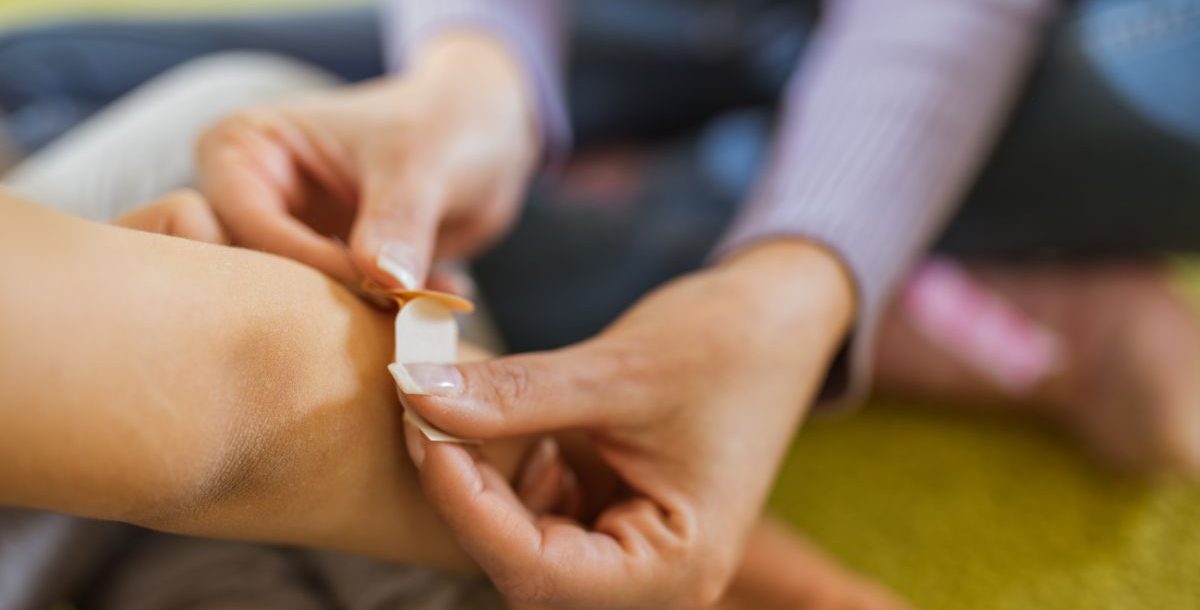
Cuts, scrapes, stings and other injuries that don’t require medical attention often occur when you’re not at home. Keeping a purse first-aid kit on you helps ensure that you’re not caught unaware when accidents happen.
Keeping essential supplies tucked inside your purse or bag can help you stay prepared. However, sometimes medical attention is unavoidable. For minor injuries that aren’t an emergency, find your nearest urgent care.
What should be in a purse first-aid kit?
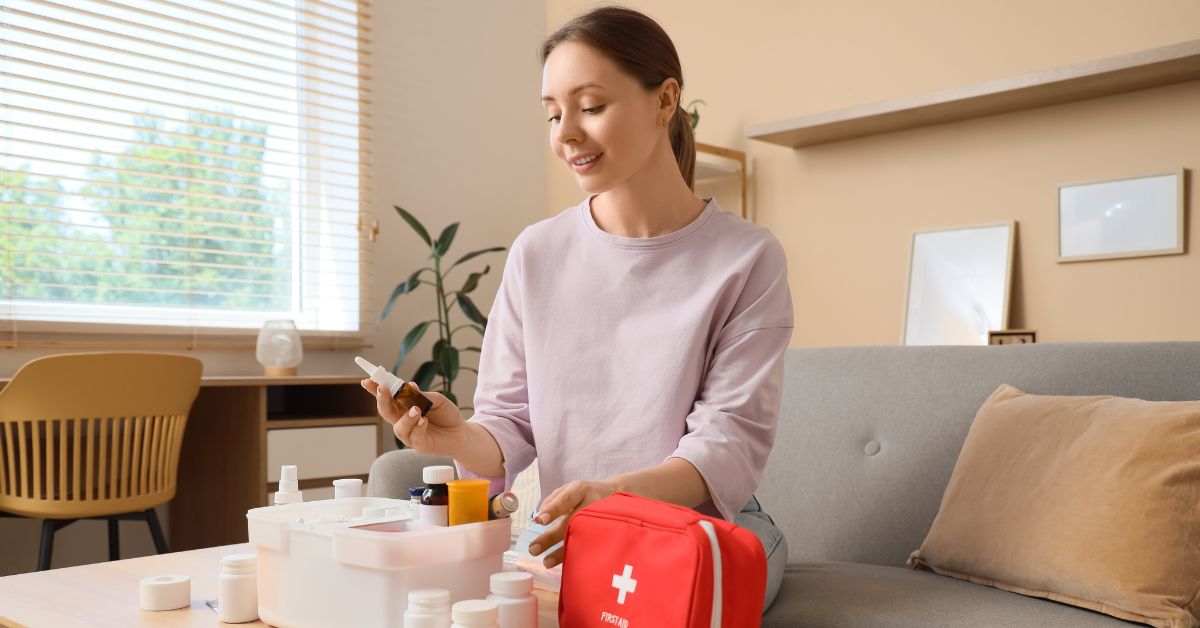
A quick checklist of items you should pack in a purse first-aid kit include:
- Adhesive bandages: In various sizes for small cuts, scrapes, minor blisters and hangnails
- Antibacterial wipes: For cleaning wounds where the skin is broken
- Antibiotic ointment packets: To protect minor cuts and scrapes after cleaning
- Sterile gauze pads: For injuries larger than a bandage
- Medical tape
- Hand sanitizer: To prevent bacteria from being introduced to a wound
- Pain relievers: These include acetaminophen or ibuprofen for headaches, muscle aches and minor pain
- Antihistamines: To treat seasonal allergies, mild allergic reactions and itching from insect bites
- Blister bandages
- Tweezers: Needed to remove splinters, insect stingers and ticks (if appropriate)
- Disposable gloves: To prevent exchanging bacteria, blood or bodily fluids. Consider nitrile gloves to avoid latex allergies
- A list of emergency contacts and important medical information
Extra items to consider
What you add to your purse first-aid kit should depend on the personal health needs and activities of you and your family. Items you may want to consider adding include:
- Lip balm with SPF
- Shelf-stable foods like granola bars
- A bottle of water
- Sunscreen packets
- Eye drops
- Menstrual products
- Antacids
- A spare face mask
- Contact lens supplies
- Glucose tablets for individuals with diabetes
- A small instant cold pack for travel
What should you leave out?
Try to avoid carrying:
- Expired medications
- Prescription medications that are not prescribed to you or a child you care for
- Bulky items that make the kit difficult to carry
- Sharp instruments without protective cases
Check your kit every few months and replace expired or damaged supplies.
Why carry a purse first-aid kit?
Minor injuries often happen when you least expect them. A paper cut during a meeting, a scraped knee at the playground or a blister from a new pair of shoes can quickly become uncomfortable.
Having basic first-aid supplies readily available allows you to:
- Clean and cover minor wounds
- Reduce the risk of infection
- Manage discomfort until you get home
- Respond quickly to minor health concerns
- Feel more prepared during travel and daily activities
The way you pack your kit matters as well. Choose a pouch or small container that you know you’ll carry. Consider ones that are lightweight, water-resistant, easy to identify quickly and large enough to fit the essentials.
Bonus elements include clear, labeled compartments that separate wound care supplies rom the medications and other personal items.
When a purse first-aid kit isn’t enough
A portable first-aid kit is designed for minor injuries and health concerns. However, sometimes injuries worsen or lead to other complications. This is when you may need to go to an urgent care or emergency department.
Seek immediate medical attention if you experience:
- Heavy bleeding
- Suspected broken bones
- Head injuries
- Difficulty breathing
- Severe abdominal pain
- Chest pain
- Signs of stroke
- Severe allergic reactions
- Loss of consciousness
For emergencies, call 911 or go to the nearest emergency department.
How we can help
Packing a purse first-aid kit is one way to ensure you’re not unprepared while away from home. Similarly, keeping a mini first-aid kit in the car is a good idea. Once you pack the kit, be sure to check periodically for any items that may need to be replenished.
However, if an injury becomes too serious for your personal first-aid kit but isn’t an emergency, find your nearest urgent care or walk-in care center.
Learn more about the urgent care and walk-in care services we offer at Mercy Health.


1 Comment
Post a CommentMartina
Thanks very interesting blog!