Soccer requires quick cuts, sudden stops, pivots and fast changes in direction. Those movements are part of what makes the game exciting, but they can also put significant stress on the knee. ACL injuries in soccer can sideline an athlete for months and require a carefully planned recovery before returning to play.
If you or your child experiences a knee injury while playing soccer, especially one involving a popping sensation, rapid swelling or instability, make an appointment with a Mercy Health orthopedic or sports medicine specialist. Prompt evaluation can help determine what was injured and the right next steps for recovery.
What is an ACL injury?
The anterior cruciate ligament, or ACL, is one of the major ligaments that helps stabilize the knee. A soccer ACL injury occurs when the ligament is stretched or torn. ACL injuries frequently happen during activities involving sudden stops, pivots, jumps or changes in direction.
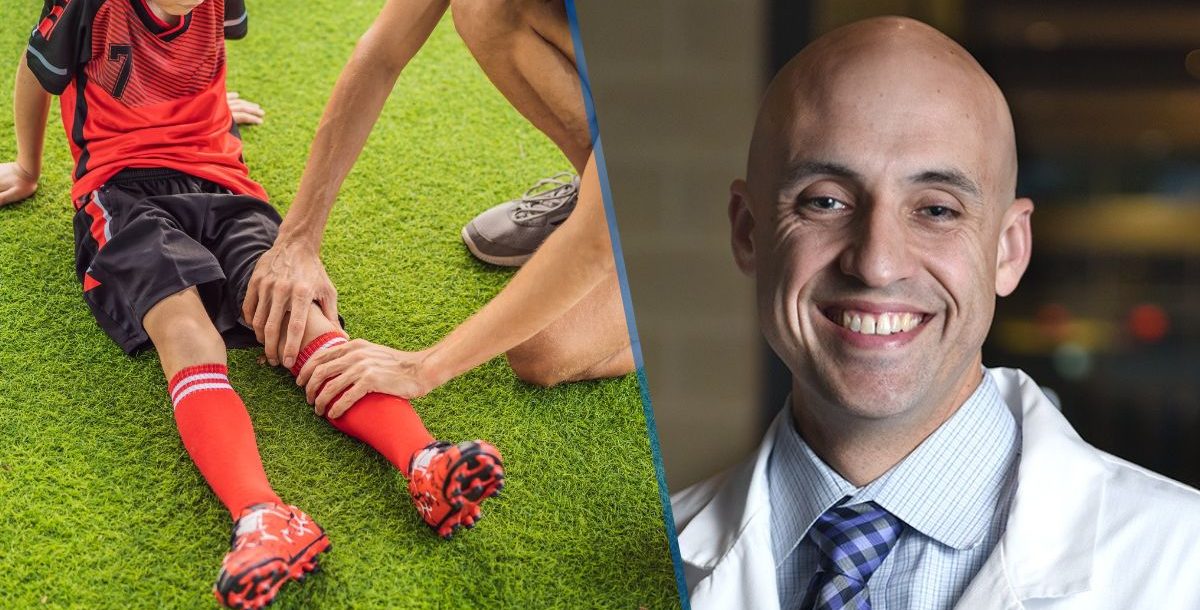
Many ACL injuries happen without contact with another player. Matthew Busam, MD, an orthopedic surgeon in our Cincinnati market and chief medical officer of FC Cincinnati, explains that an ACL injury can occur for any number of reasons, including while performing a movement the player has done without incident thousands of times before.
“The why is oftentimes very challenging to answer because most ACL injuries in soccer are a non-contact injury,” he adds.
Common signs of an ACL injury include:
- A loud pop or popping sensation in the knee
- Severe pain
- Rapid swelling
- Loss of range of motion
- A feeling that the knee is unstable or “giving out”
Because an ACL injury can occur along with damage to the meniscus, cartilage or other knee ligaments, athletes with these symptoms should seek medical care promptly.
Why are ACL injuries common in soccer?
Soccer repeatedly puts athletes in situations that can stress the ACL, including cutting, pivoting, decelerating and landing. Research focused specifically on ACL injuries in soccer players has found that these injuries can lead to extensive time away from the sport.
Female athletes also experience ACL injuries at higher rates than male athletes. Potential factors include differences in anatomy and neuromuscular control, although ACL injury risk is influenced by multiple factors rather than a single cause.
For Dr. Busam, identifying factors that may have contributed to an injury is also an important part of recovery.
“The why becomes a focus of our long-term treatment. By addressing any muscular imbalances, issues in flexibility or issues on how they jump and run, we can try to prevent a recurrent injury,” he says.
How are soccer ACL injuries treated?
Treatment depends on the severity of the injury, knee stability, the athlete’s age and activity level, and their goals for returning to sports. Some ACL injuries can be managed without surgery using measures such as physical therapy, bracing and activity modification. Other patients, particularly active athletes with complete tears, may need ACL reconstruction.
During ACL reconstruction, the damaged ligament is replaced with healthy tissue. Physical therapy is an important part of recovery, helping an athlete regain strength, flexibility and function.
Dr. Busam emphasizes that surgery is only one part of an athlete’s recovery. “An athlete will need to be willing to participate in the recovery and be dedicated to their rehabilitation.”
How long does it take to return to soccer after an ACL injury?
For soccer players with ACL injuries, returning to competition is a gradual process rather than a single milestone. Recovery after ACL reconstruction usually takes about eight to 12 months before an athlete is recovered enough to return to sports.
“Typically, it is a nine to 12-month recovery with at least six months spent on the biological side of healing from the reconstruction,” Dr. Busam says. “Then the next three to six months is focused on strength, flexibility and muscular balance.”
The exact return-to-play timeline varies. Athletes should work with their orthopedic, sports medicine and rehabilitation teams and should not use time alone to decide when they are ready for competition.
Can soccer players reduce their risk of an ACL injury?
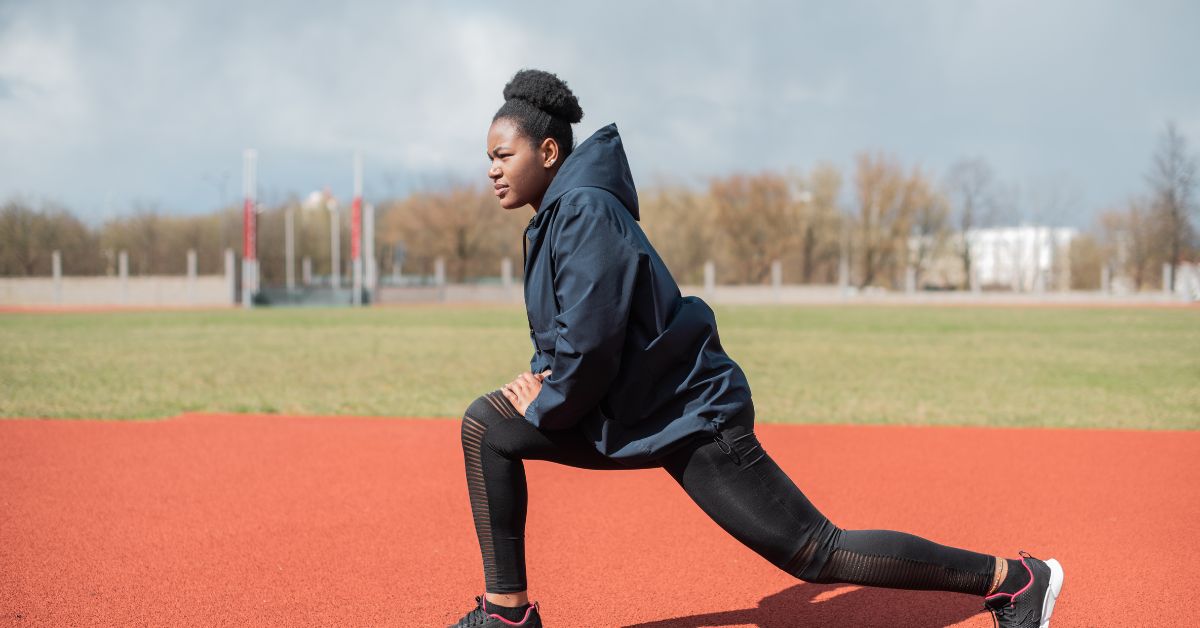
Not every ACL injury can be prevented. However, training programs that emphasize strength and proper movement mechanics may help reduce risk. Prevention programs designed to address strength deficits and imbalances while improving cutting and landing mechanics may lower ACL injury risk.
For soccer athletes, prevention training may focus on:
- Lower-body and core strength
- Balance and neuromuscular control
- Proper jumping and landing mechanics
- Safe cutting and change-of-direction techniques
These strategies can be valuable for healthy players as well as athletes returning after an ACL injury.
How we can help
An ACL tear doesn’t have to mean the end of soccer. The right diagnosis, individualized treatment and consistent rehabilitation can help athletes work toward a safe return to the sport they love.
If you or your child has knee pain, swelling or instability after a soccer injury, make an appointment with Mercy Health orthopedic or sports medicine specialist. Your care team can evaluate the injury and develop a treatment and rehabilitation plan based on the athlete’s needs and goals.
Learn about the orthopedics and sports medicine services we offer at Mercy Health.