Sports and exercise are great ways to stay active, build strength and have fun. Knowing how to prevent sports injuries starts with preparing your body, using the right equipment and recognizing when something doesn’t feel right.
Whether you’re playing tennis or a marathoner, sports-related injuries may still happen even with proper conditioning. A few small changes, like pacing yourself and gradually increasing intensity, can go a long way to reduce the risk of injury and keep you active.
If you do end up with an injury that isn’t an emergency but requires professional medical care, make an appointment with a sports medicine provider.
How to prevent sports injuries
You can’t prevent every injury. However, these injury prevention tips can help lower your risk whether you’re starting a new activity or getting ready to play your sport again.
Some ways to prevent sports injuries include proper warm-ups and stretching, injury prevention or even simply resting.
Warm up before you play
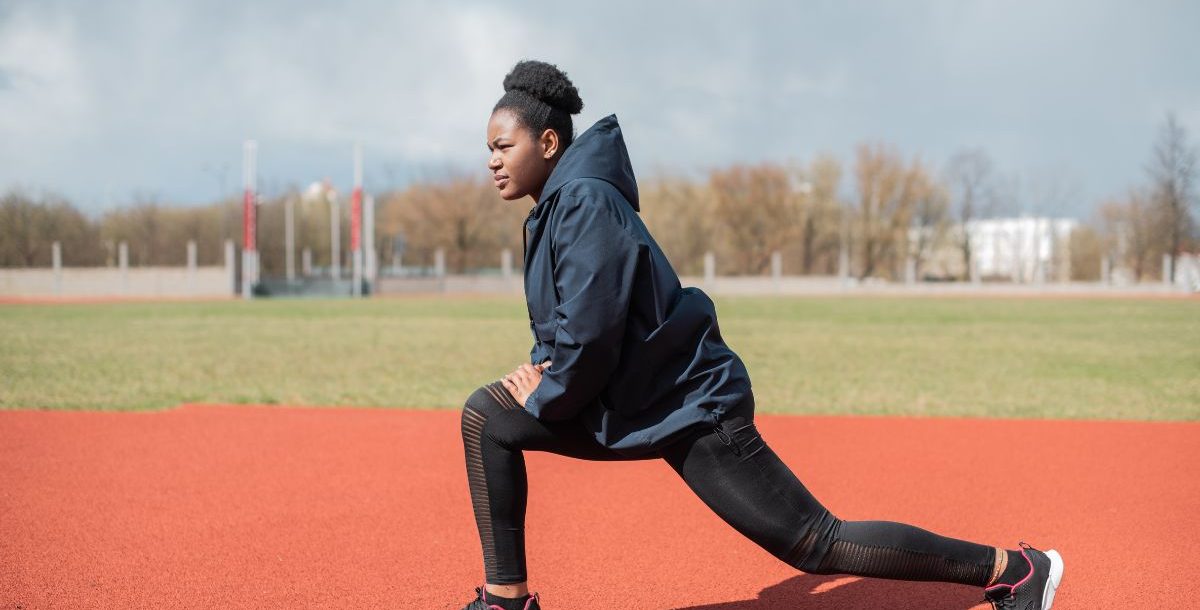
Give your body time to transition from rest to physical activity. Five to 10 minutes of light cardiovascular exercise, such as brisk walking or jogging, can increase blood flow before more intense activity. Follow it up with dynamic movements that prepare the muscle groups you’ll use in your sport.
Build strength and flexibility
Strength training and flexibility work together to help your body handle the demands of exercise. Strengthening the muscle groups that support your joints can improve stability, while appropriate stretching exercises can help maintain a full range of motion and prevent joint injuries.
Increase your training gradually
Doing too much, too soon can raise your risk of injury. You should gradually increase your frequency, intensity or weight. This is important, especially when you’re returning to sport after some time away.
Young athletes also need recovery time because repetitive training without enough rest can contribute to overuse injuries, such as shin splints.
Use the right gear and technique
Wear shoes and protective equipment designed for your activity. Make sure sports gear fit properly and replace worn-out equipment, such as running shoes.
Moreover, you should also learn good techniques in the sports that you play. Learning how to run, lift and throw properly can reduce unnecessary stress on your body.
Hydrate, rest and listen to your body
Drink fluids before, during and after activity to help prevent dehydration, especially in hot or humid weather. Build rest days into your schedule and don’t ignore persistent pain.
Playing through an injury can turn a manageable problem into one that takes longer to heal.
Five common types of sports injuries
Common sports injuries include sprains, muscle strains, tendon injuries, fractures and concussions. What caused the injury, how severe your symptoms are, and which part of your body is affected can help determine what to do next.
You should also have a sports first-aid kit at the ready so you can handle minor injuries when they happen.
1. Ankle sprain
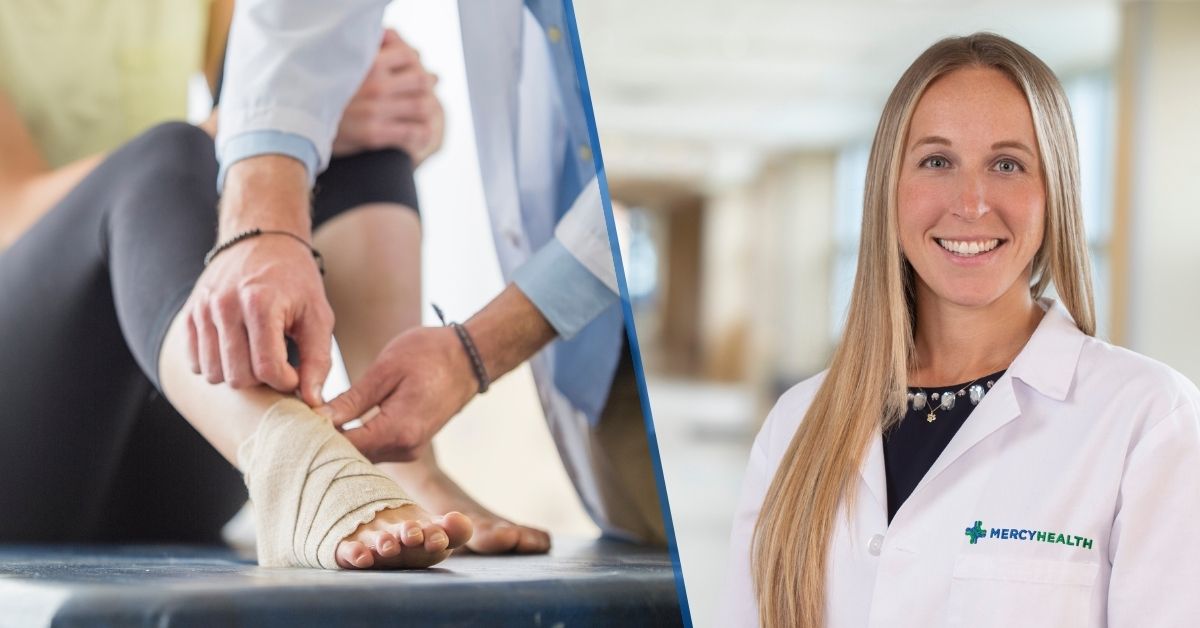
An ankle sprain happens when ligaments that support the ankle are stretched or torn. This type of sports injury is common in basketball, soccer, volleyball, tennis and running. This foot injury happens when the ankle twists during a landing or quick change of direction.
- Immediate first aid: Stop the activity. Protect and rest the ankle, apply a cold pack wrapped in cloth for short periods, use gentle compression if appropriate and elevate the ankle to help with swelling.
- When to seek medical care: Get evaluated if you can’t put weight on the foot, have severe swelling or pain, notice a deformity or your symptoms aren’t improving.
2. Muscle strain
A muscle strain occurs when a muscle or tendon is overstretched or torn. Hamstring and groin strains often happen in running, soccer, tennis and other sports involving sprinting or sudden acceleration.
- Immediate first aid: Stop playing and avoid movements that worsen the pain. Rest, ice, compression and elevation may help with an acute strain.
- When to seek medical care: See a provider if you have severe pain or swelling, significant weakness, heard or felt a pop, can’t use the affected area normally or the injury continues to limit activity.
3. Achilles tendon injury
The Achilles tendon connects the calf muscles to the heel bone. Achilles tendonitis can develop from repetitive stress, such as distance running. A rupture may also happen during sports that involve jumping, sprinting or quick direction changes like basketball or tennis.
- Immediate first aid: Avoid putting unnecessary weight on the injured leg. Use a cold pack wrapped in cloth and elevate the area.
- When to seek medical care: Seek immediate care for sudden severe pain, a popping sensation, difficulty walking or an inability to push off the foot or stand on your toes.
4. Fracture
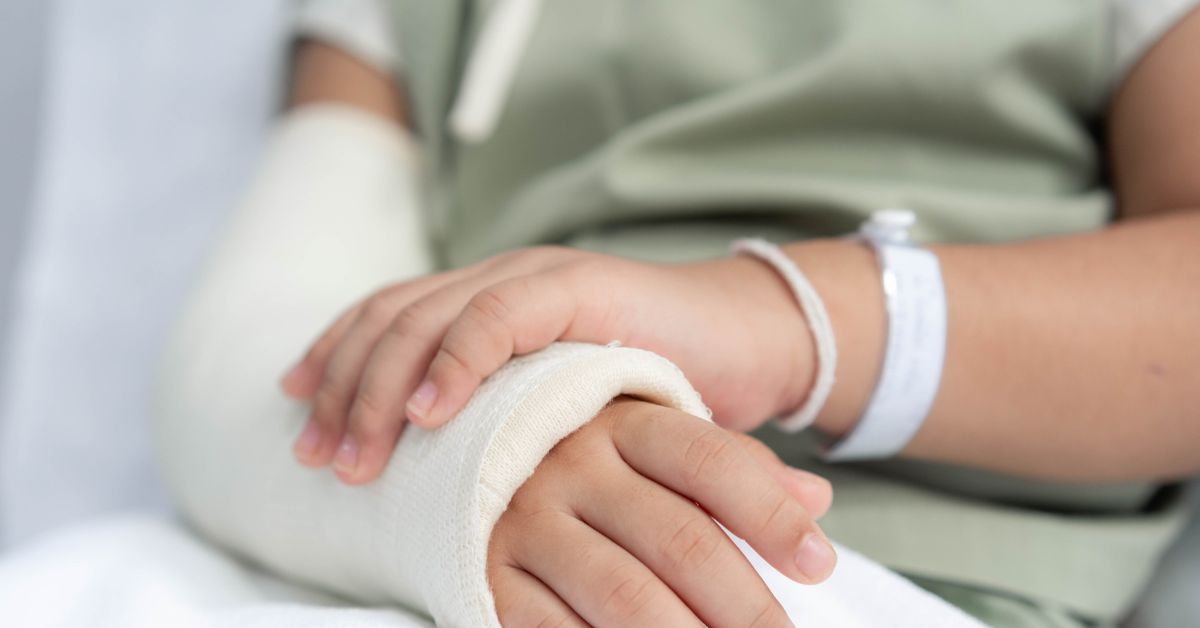
A fracture is a common injury where your bone breaks in a certain place. They are typically categorized into open or closed fractures.
Contact sports and high-impact activities can cause fractures in areas such as the wrist, arm, ankle or leg.
- Immediate first aid: Keep the injured area still. Don’t try to straighten a visibly deformed limb. If there is bleeding, cover the wound with a clean dressing and seek medical help.
- When to seek medical care: Suspected fractures need medical evaluation. Go to the nearest emergency department for an open fracture, severe deformity, loss of feeling or circulation or significant trauma.
5. Concussion
A concussion is a type of injury caused by a hit or force to the head or body that makes the brain move rapidly. It can occur in any sport, but the most common are contact sports such as football, soccer, hockey and basketball.
- Immediate first aid: If you suspect a concussion, remove the athlete from play and don’t allow them to return the same day. Monitor symptoms and make an appointment with a sports medicine provider for evaluation.
- When to seek medical care: Some emergency symptoms after a head injury include seizures, increasing confusion, weakness or numbness, unequal pupils or loss of consciousness.
When is medical care needed for sports injuries?
it’s important to know how to prevent a sports injury, but sometimes injuries are unavoidable. Medical care is necessary when sports injuries severely impact your play or when you sustain a serious injury.
Understanding the difference between a sore muscle versus pain from an injury is important so you can get professional care when you need it.
When should you see urgent care?
If you have a sports injury that isn’t life-threatening but needs prompt evaluation, consider going to an urgent care clinic.
Some injuries that urgent care locations can treat include:
- Mild or moderate sprains and strains
- Minor fractures
- Manageable pain or swelling
- Minor sports-related cuts that may need treatment
Until a medical professional evaluates you, stop playing immediately and protect the injured area.
When should you go to an emergency department?
Some sports injuries shouldn’t wait. Call 911 or go to an emergency department for injuries involving:
- Severe or uncontrolled bleeding
- An open fracture or major deformity
- A serious head, neck or spine injury
- Loss of consciousness, seizure or concerning concussion symptoms
- Difficulty breathing or chest pain
- Loss of sensation
- A cold or pale limb or signs of compromised blood circulation
When you’re unsure whether an injury could threaten life or limb, it’s safer to seek emergency care. An emergency medicine physician is specially trained to treat serious symptoms that can result from a sports injury.
When should you see a sports medicine doctor?
A sports medicine doctor is a good next step when an injury isn’t an emergency, but it keeps you from training or playing comfortably. They can evaluate both sudden and overuse injuries and help determine why pain keeps returning.
Consider making an appointment for:
- Persistent joint or tendon pain
- Recurring sprains
- Reduced strength or range of motion
- Overuse injuries
- An injury that isn’t improving as expected
- Help returning safely to sports after an injury
A sports medicine provider can also help you develop a return-to-play rehabilitation plan and identify ways of preventing sports injuries in the future.
How we can help
Paying attention to pain and getting the right care can keep a minor injury from becoming a bigger problem. For non-life-threatening injuries that need prompt attention, find a Mercy Health urgent care location nearest to you. For severe injuries, head or spine trauma, open fractures or other emergencies, go to your nearest emergency department or call 911.
If you’re dealing with ongoing pain, an overuse injury or if something doesn’t feel right, make an appointment with a sports medicine provider to be evaluated and get the care necessary to get you back to the sport you enjoy.
Learn about the orthopedic and sports medicine services we offer at Mercy Health.