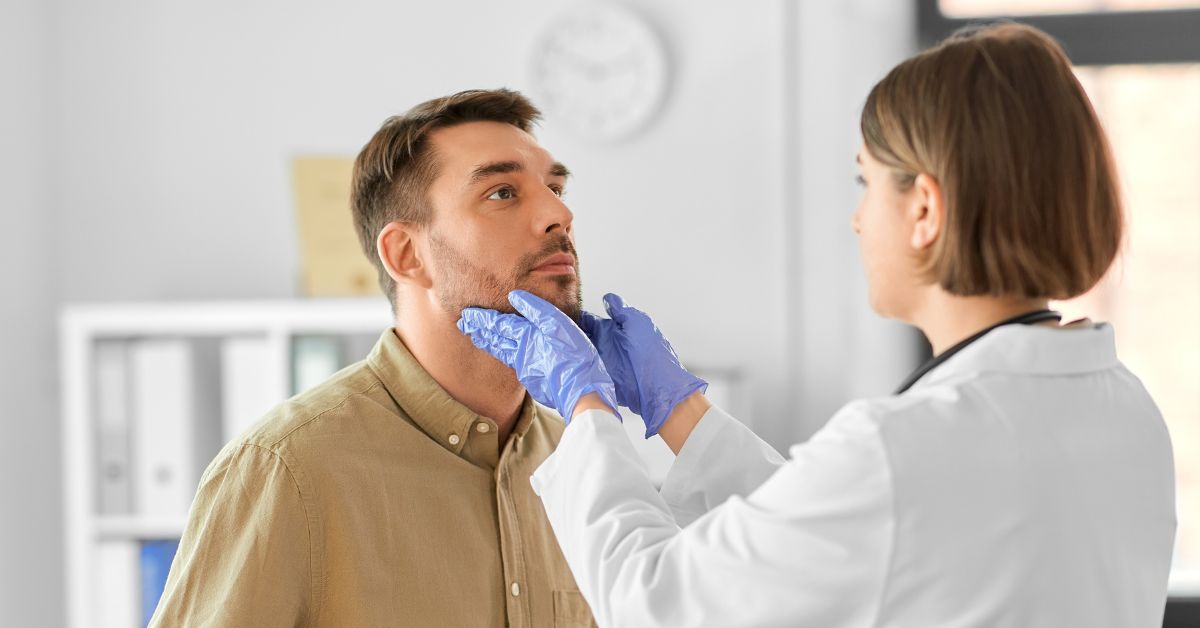
If you have prediabetes, it’s easy to stress out. However, it’s not doomed or even permanent diagnosis. Understanding how to reverse prediabetes can improve your health and reduce your risk for developing diabetes later.
If your doctor has given you the news that you have prediabetes, don’t panic. Prediabetes is a condition that can affect both adults and children, and is marked by blood sugar levels being higher than they should be. Your blood sugar levels aren’t yet in the range of diabetes with this condition, but it’s a wake-up call to let you know your condition could turn into diabetes.
About 84 million American adults have prediabetes, according to the Centers for Disease Control and Prevention. If you’re diagnosed with prediabetes, your body isn’t functioning the way it would normally.
However, you can reverse prediabetes. Make an appointment with your primary care provider to discuss your options.
What causes prediabetes?
The reason you develop prediabetes is due to a hormone called insulin. Your pancreas is the organ that makes insulin when you eat. Insulin controls your blood sugar levels. Sometimes, you’re not making enough insulin or you’re not responding to it well enough to control your blood sugar levels.
If you’re diagnosed with prediabetes, your body doesn’t use insulin properly (insulin resistance). This may be linked to lifestyle choices and your genetics. Lifestyle choices that could impact your risk include:
- Poor diet
- Lack of exercise
- Being overweight
- Excess body fat, especially around the waist
Although it may seem logical that eating too much sugar leads to prediabetes, it’s not that simple. It’s the way that your body processes the sugar that can lead to its development. However, it’s always important to maintain a healthy diet.
Prediabetes risks
Besides diet and exercise, you may have an increased risk of getting prediabetes if your have the following risk factors:
- You’re over 45
- You have high cholesterol
- You had gestational diabetes
- You have high blood pressure
- You have polycystic ovary syndrome (PCOS)
- You have heart disease or had a stroke
- You have sleep apnea or a sleep disorder
- Your family has a history of type 2 diabetes
Certain races, such as African-Americans, Hispanics, Native Americans and Asian-Americans, tend to be more likely to develop prediabetes. The reason why isn’t clear yet to researchers.
Prediabetes symptoms
You may not have symptoms of prediabetes. However, you may have some symptoms of type 2 diabetes, including:
- More thirst
- General fatigue
- Frequent urination
These symptoms may not mean you have prediabetes or diabetes. However, you should always see your primary care provider or endocrinologist if you have a concern.
Doctors use a glucose tolerance blood test, or hemoglobin A1C (average blood sugar test), to diagnose prediabetes. Pregnant women often have this test to screen for gestational diabetes. A routine blood test that includes glucose tolerance can detect prediabetes.
How to reverse prediabetes
While there are medical treatments for prediabetes, there are also changes you can make outside of medication, which used alone won’t reverse prediabetes.
Pre-diabetes and diabetes prevention are very individualized treatment plans,” says Ashley Hoblit, MD, a family medicine provider in our Lima market. “Your doctor can work with you to figure out the best options for you, or if they can’t they can direct you to resources of providers that can.”
The healthier you are, the less likely you’ll continue to have prediabetes. When you beat it, you can keep from getting type 2 diabetes. A healthy diet and exercise naturally lowers your blood pressure and cholesterol levels. In turn, you can reverse prediabetes.
Dr. Hoblit recommends these options to her patients when developing a treatment plan that is tailored to their condition.
Lifestyle changes
- Weight loss: Losing 5 to 7 percent of your body weight can significantly lower your risk of developing type 2 diabetes. You can talk to your doctor about the best ways to go about weight loss for you if this is applicable.
- Regular physical activity: Aim for at least 150 minutes of moderate aerobic activity or 75 minutes of vigorous activity per week, plus muscle-strengthening exercises.
- Quit smoking: Smoking can worsen insulin resistance, so quitting can improve blood sugar levels.
- Stress management: High stress levels can impact prediabetes management.
Diet
To reverse prediabetes, eat low-glycemic-index foods. Many diabetics follow a low-glycemic-index diet. Low glycemic foods positively affect your blood sugar. A food with a low glycemic index can keep your blood sugar normal.
A food with a high glycemic index raises your blood sugar levels faster. High-glycemic foods include refined carbohydrates and starchy foods such as white rice, white bread and potatoes. Healthy low-glycemic foods include:
- Beans
- Fruits (most)
- Steel-cut oats
- Sweet potatoes
- Green vegetables
- Whole wheat pasta
The index is easy to read and follow. Your doctor can give you a glycemic food index list and help you work on a diet that meets your needs.
Medication
However, perhaps taking cholesterol-lowering medications in combination with lifestyle and diet changes is the necessary treatment.
- Metformin: A common medication that may be prescribed if lifestyle changes aren’t enough, especially for those at high risk.
- Weight-loss drugs: Medications like semaglutide (Wegovy, Ozempic) and tirzepatide (Mounjaro, Zepbound) may be recommended for those with obesity and other weight-related conditions. Talk to your doctor about whether there are other drugs to assist with weight loss.
Medical procedures
Sometimes, medical procedures aren’t enough. Bariatric surgery can be an option for patients with obesity or other weight-related medical problems.
How we can help
If you develop prediabetes, there are things you can do to reverse its effects and possibly avoid having it progress to diabetes. Make an appointment with your primary care doctor to discuss your options and learn more about how to reverse prediabetes.
Learn about the primary care and endocrinology services we offer at Mercy Health.