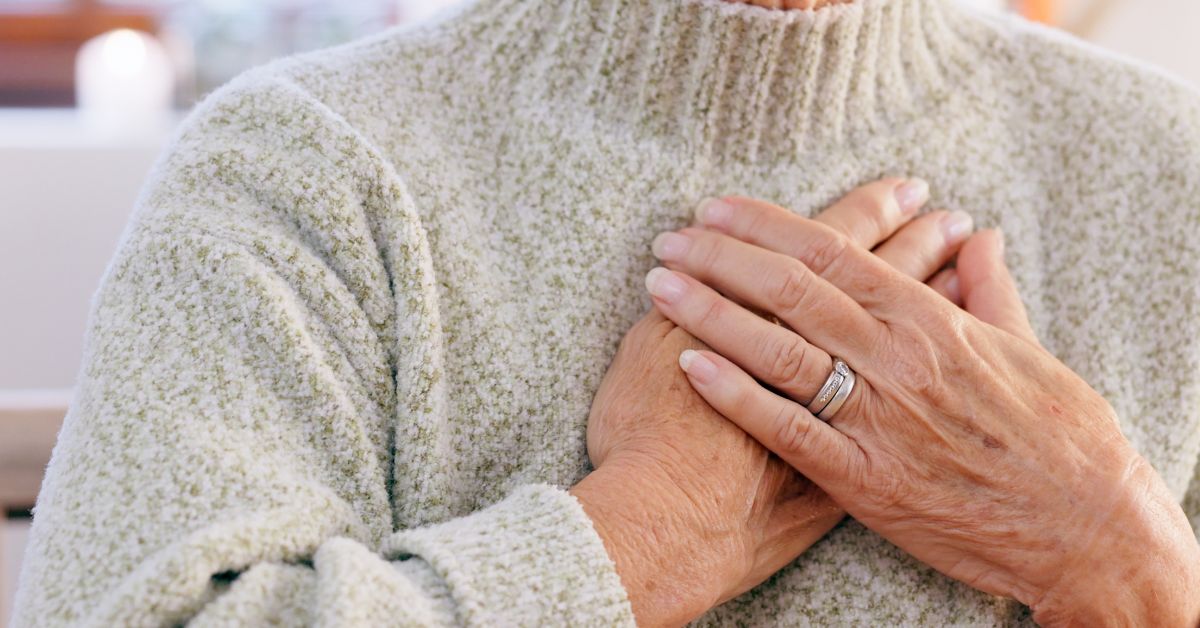
Many people look forward to their morning cup of coffee. But how does caffeine affect your heart? The answer – it depends.
Researchers have been studying the effects of caffeine on the heart for years. But the results aren’t straightforward. While your heart can benefit from some caffeine side effects, finding the balance between hurting and helping lies in how much you consume.
If you’re concerned you’re drinking too much caffeine or have noticed anything that feels different when you consume caffeine, make an appointment with your primary care provider. Or, you can go straight to a cardiologist if you think something isn’t right.
How does caffeine affect your heart?
Caffeine affects the heart in a lot of different ways. When you drink caffeine, it enters your bloodstream from your stomach and small intestine. It stimulates your central nervous system, which causes your heart to beat faster.
Some people have a higher sensitivity to caffeine than others. And for some of those people, one of the effects of drinking caffeine can be heart palpitations, or an irregular heart rate. Heart palpitations are a common heart-related symptom people report. However, make an appointment with your primary care provider if you are experiencing them frequently when consuming caffeine.
As for caffeine and hypertension, also known as high blood pressure, people who suffer from this condition will want to keep an eye on how much they consume. This is because caffeine can sometimes cause a short, but significant increase in blood pressure. If you have hypertension, talk with your primary care provider to learn how much caffeine is safe for you.
Some heart-healthy benefits
Does caffeine affect your heart in a positive way? Yes, but only as long as you aren’t exceeding the suggested daily caffeine intake. Researchers have found that caffeine, specifically in coffee, can have some heart-healthy effects.
Coffee contains phytochemicals that can reduce inflammation. And because inflammation in the heart can cause heart failure and atherosclerosis, drinking coffee might actually improve heart health. Other research has shown that caffeine can act as an antioxidant, which could reduce your risk for diabetes.
Overall, more research needs to be done to confirm the exact benefits and risks of caffeine on the heart.
What amount of caffeine is safe?
Research shows that a caffeine intake of up to 400 milligrams a day is safe for most average-sized adults – or about two cups of coffee per day.
However, having a high caffeine intake can cause harmful side effects. More than four cups of coffee a day can raise your heart rate and blood pressure, increase stress levels and increase your risk for a heart attack or stroke. This is especially true for people who are not used to consuming large amounts of caffeine.
However, if you are a moderate caffeine drinker, limited caffeine won’t harm your heart.
How much caffeine is in my favorite drink?
So, 400 milligrams of caffeine equals two cups of coffee. But how does that translate to our other favorite caffeine drinks?
Here are a few breakdowns for you:
- Espresso: 240 to 720 milligrams
- Energy drinks: 50 to 160 milligrams
- Brewed tea: 40 to 120 milligrams
- Soft drinks: 20 to 40 milligrams
However, drinking more than 500 milligrams of caffeine per day can cause caffeine intoxication. This includes uncomfortable and sometimes serious symptoms, such as:
- High blood pressure
- Insomnia
- Panic attacks
- Increased gastric acid
- Bowel irritability
- Anxiety
How to lower your caffeine intake
Whether you are drinking more caffeine than the recommended daily amount, you’re feeling the side effects of too much caffeine or you simply want to consume less, you can ease up with a few relatively easy changes.
For some, reducing their caffeine intake is as simple as eliminating an extra cup of coffee a day. However, for others, significantly reducing their intake may be necessary. Try swapping a caffeinated drink for a non-caffeinated one, such as:
- Decaf coffee
- Caffeine-free herbal tea
- Sparkling water in place of a soft drink or caffeinated energy drink
If you choose to reduce your caffeine consumption, try to do so over the course of several days. Doing too much too quickly can lead to withdrawal symptoms, such as brain fog, jitters and brain fog.
How we can help
It’s important that you are paying attention to how much caffeine you consume by reading nutrition labels. This can help ensure you aren’t exceeding your 400 milligram daily limit.
If you are experiencing negative reactions to caffeine or you’ve tried reducing your intake and still don’t feel right, make an appointment with your primary care provider. In some cases, they may refer you to a cardiologist to discuss more options.
Learn about the primary care and heart and vascular services we offer at Mercy Health.