Knowing what to do if you’re bitten by a snake can make a big difference in the outcome. While many snakes in the United States are not venomous, it can be difficult to identify the type of snake that bit you. Understanding how snake bite treatment differs based on the type of snake can help you get the right care quickly.
If you’re bitten by a snake, call 911 or have someone take you to the nearest emergency department right away. A medical professional can evaluate the bite, monitor complications and provide treatment when necessary.
What happens when a snake bites you
Snake venom can quickly spread through the body. This may cause tissue damage, swelling, blood clotting problems or nervous system complications. Immediate care can reduce the risk of severe injury and improve recovery.
The most important thing to remember when you’re bitten by a snake is to immediately seek medical attention. These incidences should be treated as medical emergencies.
What to do immediately
One of the first things to do when a snake bite happens is to stay calm. Being levelheaded can help you navigate this difficult situation.
Because being bitten by a snake can be serious, calling 911 or having someone drive you to the emergency department is important to get appropriate care. Initial steps in snake bite treatment include:
- Move away from the snake to prevent another bite.
- Stay calm and still.
- Call 911 immediately or have someone drive you to the emergency department
- Sit or lie down in a safe location.
- Keep the bitten area in a neutral position.
- Remove rings, watches, bracelets or tight clothing before swelling begins.
- Gently wash the bite with soap and water if available.
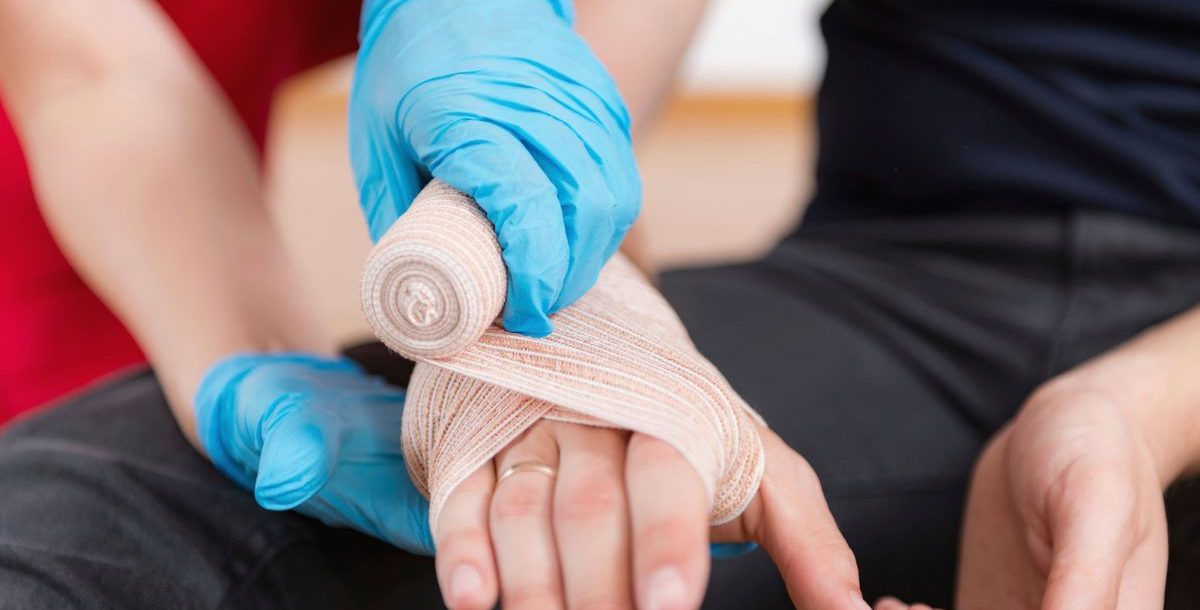
- Cover the wound loosely with a clean and dry bandage.
- Take note of when the bite occurred.
- If it’s safe, remember the snake’s color, size and markings or take a photo from a distance.
The less movement you make, the better. Increased activity can increase circulation and may allow the venom to spread more quickly through your body.
What not to do
Many outdated snake bite remedies can actually make the injury worse.
Several things you shouldn’t do include:
- Don’t apply a tourniquet or restrict blood flow around the bite.
- Don’t cut the wound – this could damage the skin around the bite further.
- Don’t try to suck venom out of the bite – this will introduce bacteria into the wound.
- Don’t apply ice – this can cause additional tissue damage at the site of the bite.
- Don’t immerse the wound in water.
- Avoid alcohol and excessive caffeine – if the snake is venomous, your increased heart rate will spread the venom throughout your body quicker.
- Taking aspirin, ibuprofen or other anti-inflammatory pain medications unless instructed by a medical professional.
- Attempting to catch, kill or handle the snake. Even if it’s dead, don’t bring it to the emergency department with you.
If a snake bites you, don’t delay treatment. It’s better to be immediately evaluated in the emergency department than wait until serious symptoms develop.
Symptoms of a snake bite
The symptoms of a snake bite can vary depending on the species and whether venom was injected. However, all snake bites should be seen by a medical professional in the emergency department.
A nonvenomous snake bite may cause:
- Mild pain
- Redness
- Minor swelling
- Small puncture wounds or scratches
Some venomous snakes can bite you without injecting their venom as a defense mechanism, which is referred to as a dry bite. These should still be treated like a venomous snake bite until medical professionals can determine whether antivenom is necessary.
Venomous snake bite symptoms can develop quickly and become severe. Common symptoms of a venomous snake bite include:
- Intense pain near the bite
- Rapid swelling
- Bruising or discoloration
- Bleeding from the wound
- Nausea or vomiting
- Weakness
- Dizziness
- Sweating
- A metallic or unusual taste in the mouth
More serious symptoms may include:
- Difficulty breathing
- Vision changes
- Trouble swallowing
- Facial numbness
- Muscle weakness
- Severe swelling
- Abnormal bleeding
Some venomous snakes can cause delayed symptoms. Even if you initially feel fine after the bite, you should still go to the emergency department for evaluation and to administer antivenom if necessary.
How doctors diagnose a snake bite
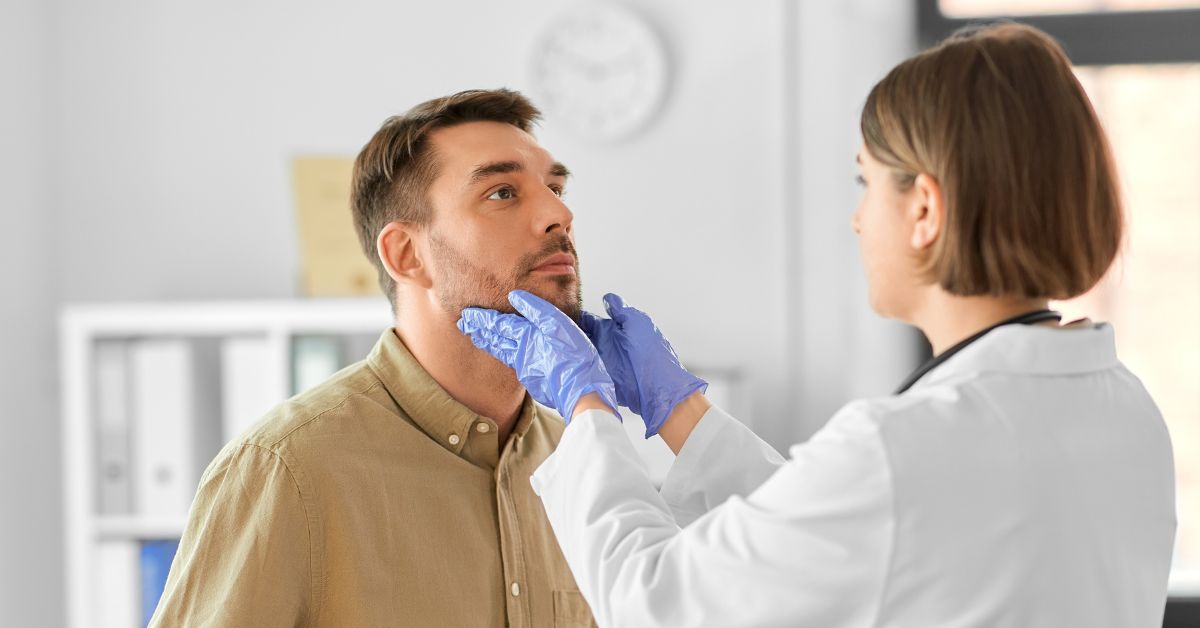
Once you arrive at the emergency department, the medical team will examine the wound and review your symptoms.
If you were able to safely observe the snake, show or tell your emergency care provider information about the snake that bit you, such as:
- Color
- Shape
- Markings
- Size
These can help identify the type of snake involved. To determine the severity of the bite, an emergency department provider should:
- Check blood pressure, heart rate and breathing
- Measure swelling around the bite
- Monitor symptoms and their progression
- Perform blood tests
- Evaluate clotting
- Check kidney function and other organ systems
These tests help determine whether the venom is affecting your body and whether additional treatment is needed.
Venomous snake bite treatment
The primary treatment for many venomous snake bites is antivenom. The antivenom works by helping neutralize the effects of venom and reducing the risk of serious complications.
Depending on the severity of the bite, patients may also require:
- IV fluids
- Pain medication
- Blood tests and ongoing monitoring
- Treatment for blood clotting abnormalities
- Observation in the hospital
Many patients remain in the hospital for monitoring for at least 24 hours, especially if a venomous bite is suspected.
Recovering from a snake bite
Recovery times may vary and depend on the severity of the symptoms. Some people improve within days, while others may take several weeks or months to fully heal.
Common recovery symptoms include:
- Lingering swelling
- Bruising
- Tenderness
- Fatigue
- Temporary weakness near the bite area
Carefully follow your provider’s instructions after discharge. Keep follow-up appointments and watch for signs of infection which include:
- Increased redness
- Warmth
- Drainage
- Worsening pain
In some cases, rehabilitation or physical therapy may be needed if the bite causes significant tissue damage or affects your movement in the wounded area.
How we can help
If a snake bites you, call 911 or have someone drive you to the nearest emergency department. There, medical professionals will evaluate you to determine the appropriate snake bite treatment and monitor your recovery.
Learn about the emergency care services we offer at Mercy Health.