Keeping an eye on your cholesterol levels is important to your overall health. This is because too much cholesterol may contribute to the development of heart disease and high blood pressure. Understanding how to reduce cholesterol naturally can help you avoid medication and other less conservative treatments.
A few easy lifestyle changes can be the key. Cholesterol-lowering lifestyle changes include a healthy diet and becoming more active.
If you’re concerned about your cholesterol levels or testing has shown your levels are too high, make an appointment with your primary care provider to discuss your options.
Understanding your cholesterol
Cholesterol is a waxy substance that circulates in your blood. Your body needs some cholesterol to produce hormones and form healthy cells. However, an imbalance can raise your risk for plaque buildup in your arteries, which may lead to heart attack or stroke.
Types of cholesterol
- LDL (“bad”) cholesterol: Can cause plaque buildup in the arteries
- HDL (“good”) cholesterol: Helps remove LDL cholesterol from your bloodstream
- Triglycerides: Another type of fat in the blood that contributes to heart disease risk
A lipid panel can help you understand where your numbers fall and what treatments may be having the most impact.
How to reduce cholesterol naturally
Small, consistent lifestyle habits can make a meaningful difference. Natural approaches can support your heart health and may complement any care plan your provider recommends.
Choose heart-healthy foods
The foundation of learning how to reduce cholesterol naturally starts with nutrition. A balanced, heart-healthy diet can help lower LDL levels while supporting healthy HDL.
Add more of these foods:
- Oats and whole grains: Rich in soluble fiber, which helps remove cholesterol
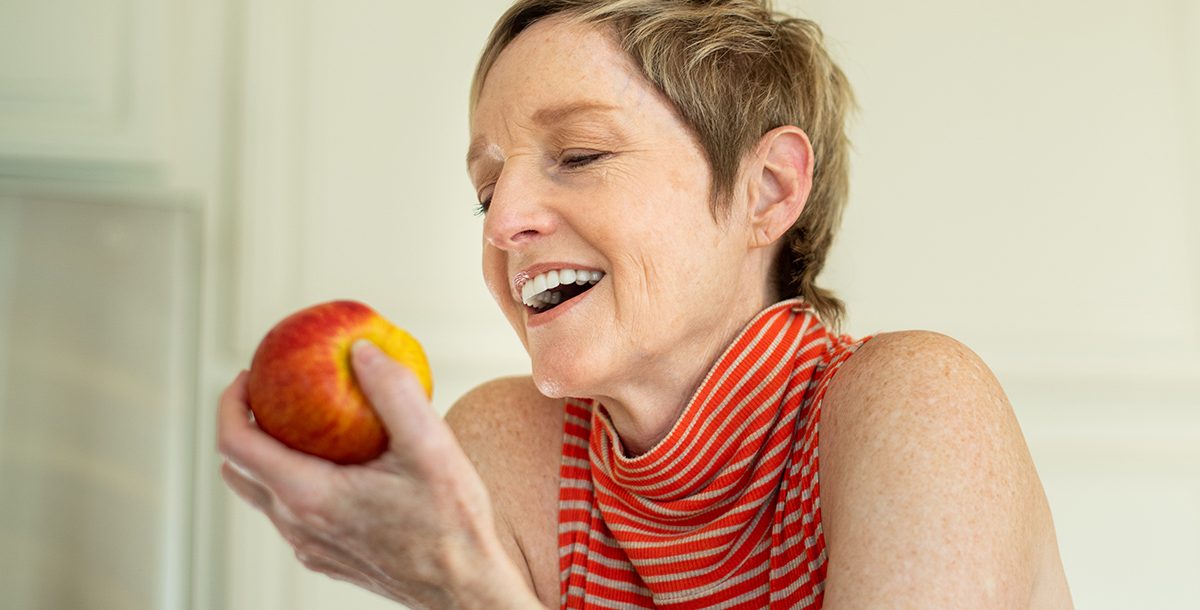
- Fruits and vegetables: Provide antioxidants and fiber
- Beans and legumes: High in plant-based protein and fiber
- Nuts and seeds: Contain healthy fats and support heart health
- Fatty fish such as salmon, sardines and trout, which are high in omega-3 fatty acids
Limit these foods:
- Fried foods
- Saturated fats (found in red meat, full-fat dairy and butter)
- Trans fats (often found in processed snacks)
- Excess added sugars
Healthy cooking methods
Even healthy foods can become less beneficial when prepared using high-fat or high-sodium methods.
Try these cooking techniques:
- Grilling
- Baking or roasting
- Steaming
- Sautéing with olive or avocado oil
- Seasoning with herbs and spices instead of salt
These simple changes can lower your intake of saturated fats and help support healthier cholesterol levels.
The importance of exercise
Regular exercise improves HDL cholesterol and helps your body remove excess LDL. You don’t need long workouts – short, consistent activity can be just as effective.
Easy ways to add movement:
- Take brisk walks after meals
- Use stairs instead of elevators
- Stretch or take mobility breaks during the workday
- Try low-impact exercises like swimming, cycling or yoga
If you’re new to exercise or managing chronic conditions, talk to your primary care provider before starting a new routine.
Maintain a healthy weight
Excess weight – especially around your abdomen – can raise LDL cholesterol, triglycerides and overall cardiovascular risk. Losing even 5 to 10 percent of your body weight can help improve your numbers.
Reduce stress and improve sleep
Stress and poor sleep can increase inflammation and negatively affect cholesterol levels.
Support stronger heart health by:
- Practicing deep breathing
- Trying mindfulness or meditation
- Creating a consistent sleep routine
- Reducing evening screen time
How long does it take to lower cholesterol naturally?
It can take several months for cholesterol to lower naturally. Your provider may recommend:
- A combination of medication and lifestyle strategies
- A follow-up lipid panel
- Statins or other cholesterol-lowering medications
If you have high cholesterol, make sure you and your primary care provider agree on the best approach for you. They might suggest you take cholesterol-lowering medication, especially if you have:
- Cardiovascular disease, also called CVD or heart disease
- Extremely high LDL cholesterol levels
- Familial hypercholesterolemia, also called FH
- Type 2 diabetes
How we can help
Understanding how to reduce cholesterol naturally is important to finding the right approach for you. While you may want to avoid medication, it may be necessary to pair it with other food and lifestyle changes to see the greatest impact – especially if your cholesterol levels are high.
Make an appointment with your primary care provider to discuss your options so you can determine the best treatment plan for you together.
Learn more about the heart and vascular services as well as the primary care provider services we offer at Mercy Health.