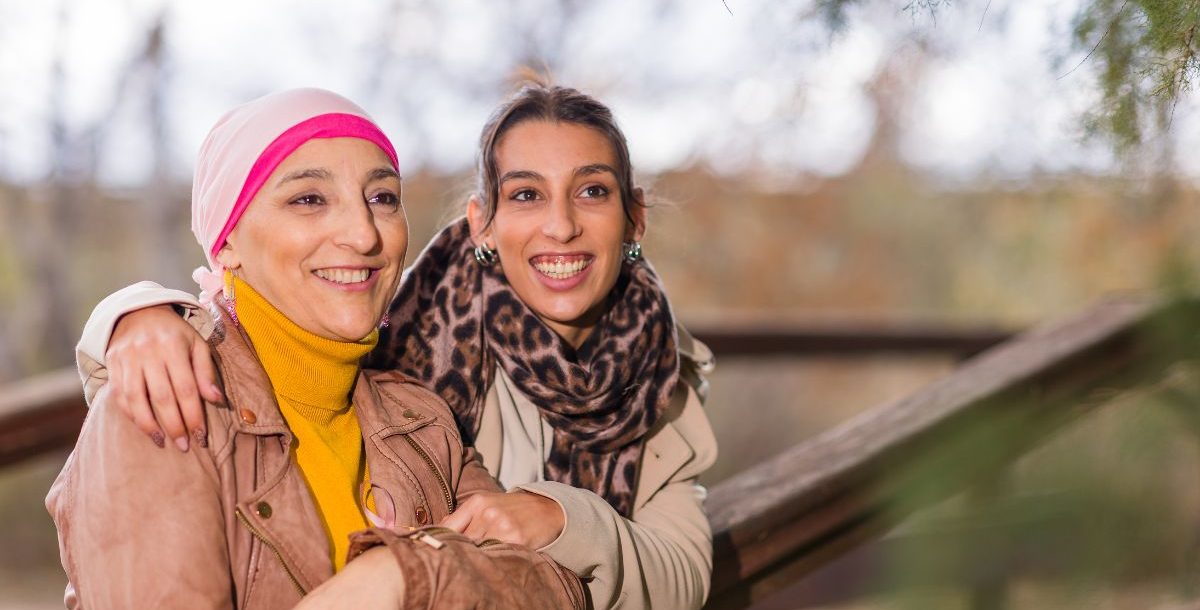
Finishing cancer treatment is a major milestone. For many people, the last appointment brings a deep sense of relief. But it can also stir up unexpected feelings, uncertainty, fear and a question that often goes unspoken: What happens after cancer treatment ends?
The truth is, life after cancer treatment is its own journey. Your body is still healing. Your emotions may surprise you. And your medical care doesn’t stop, although it changes shape. Understanding what to expect can help you feel more in control as you move forward.
Here’s how to get support through every step of the cancer journey – including survivorship. Make an appointment with our cancer care team to find support in navigating this new stage of life.
Your body is still adjusting
Many cancer survivors are surprised to learn that side effects don’t always end when treatment does. Some linger for months. Others show up years later. These are called late effects or long-term effects of treatment.
Fatigue is one of the most commonly reported long-term concerns among cancer survivors.
Other common physical effects after treatment include:
- Cognitive changes (sometimes called “chemo brain”) that affect memory and focus
- Nerve pain or numbness, known as peripheral neuropathy
- Changes to heart or lung function from certain chemotherapy or radiation treatments
- Hormonal shifts that may affect sleep, mood or fertility
These effects vary from person to person. They depend on the type of cancer, the treatments used and your overall health. The key is not to ignore them. Tell your care team about any ongoing or new symptoms so they can be tracked and treated early.
The emotional side of survivorship
Finishing treatment doesn’t mean the emotional work is over. For many survivors, that work is just beginning.
Almost half (42 percent) of cancer survivors worry their cancer will come back. Anxiety, depression and grief are also common. Survivors may grieve the time lost to treatment, a changed body image or the future they imagined before their diagnosis.
It’s also normal to feel strangely adrift after treatment ends. During active treatment, you had a schedule and a team around you. When that structure fades, the shift can feel disorienting, even when things are going well medically.
Talk openly with your doctor about emotional changes after treatment. Therapy, medication and support groups are all effective tools. You don’t have to navigate this alone.
Your survivorship care plan is a road map
One of the most helpful tools a cancer survivor can have is a survivorship care plan. It’s a document your oncology team puts together that outlines your full treatment history and lays out a plan for what comes next.
It typically includes:
- A summary of the treatments you received
- A schedule for follow-up visits and cancer screenings
- Signs and symptoms to watch for
- Recommendations for managing long-term side effects
- Guidance on healthy lifestyle habits going forward
Think of it as the handbook for the next chapter. If you haven’t received one, ask your oncologist.
Follow-up visits matter, too. They’re more than routine checkups. Each appointment is a chance for your team to catch problems early and adjust your care as your health evolves.
Healthy habits that support recovery
What you do every day matters more than you might think. Research consistently links healthy choices after cancer treatment to better quality of life and, in many cases, a lower risk of recurrence.
Aim for at least 150 minutes of moderate exercise per week. Activities like walking, swimming and biking are great starting points. Regular movement helps combat fatigue, improves mood and supports overall health.
Diet plays a role, too. Fill your plate with fruits, vegetables and whole grains. Limit red meat, processed foods and alcohol. If you’re not sure where to start, a registered dietitian who works with cancer survivors can help you build a plan.
Other habits worth building include:
- Getting seven to nine hours of sleep each night
- Quitting smoking, if you haven’t already
- Protecting your skin from sun exposure, especially if treatment increased your sensitivity
- Staying connected to family, friends and survivor communities
You don’t have to change everything at once. Start small and build from there.
How we can help
The end of cancer treatment is a beginning, not a finish line.
Whether you recently finished treatment or are years out from your last appointment, you may find yourself with questions or wanting support. Make an appointment with someone from our cancer care team for guidance and support available to you.
Learn about the cancer care and oncology services we offer at Mercy Health.